© Kapok Tree Diplomacy. April 2012. All rights reserved. Jeff Dwiggins
FREE CONTENT
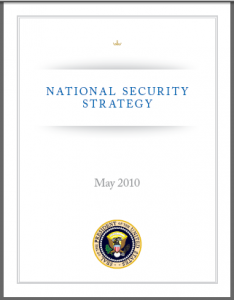 I think a good starting place to assess executive department policy integration begins with the strategy formulation phase for what types of policies the executive is going to endorse and promote. For the purposes of this post, by executive I mean ‘the President of the United States.’ Ultimately the strategic planning system identifies the ends, ways and means of a sound and compelling strategy that “integrates the processes and documents” of the people working under him and the “people and organizations with which he directly coordinates” (Meinhart 2006, 304, 311). As a scholar, I would want to know how the executive came up with the policy, what the goals were, and what the strategy was to advance the policy.
Yarger adds that the overarching strategy must be proactive and anticipatory, resource-balanced, driven by political purposes, hierarchical, comprehensive and derived from “thorough analysis and knowledge of the strategic situation and environment” (2006, 107-111). He describes the ends, ways and means as national objectives, strategic concepts or courses of action and resources (of national power) respectively, and advocates that good policy must minimize risk for effective integration and execution (111). Read more